Season
All year
Vehicle
Walking route
Duration
1 day
Explore historical Lappeenranta in 3 hours
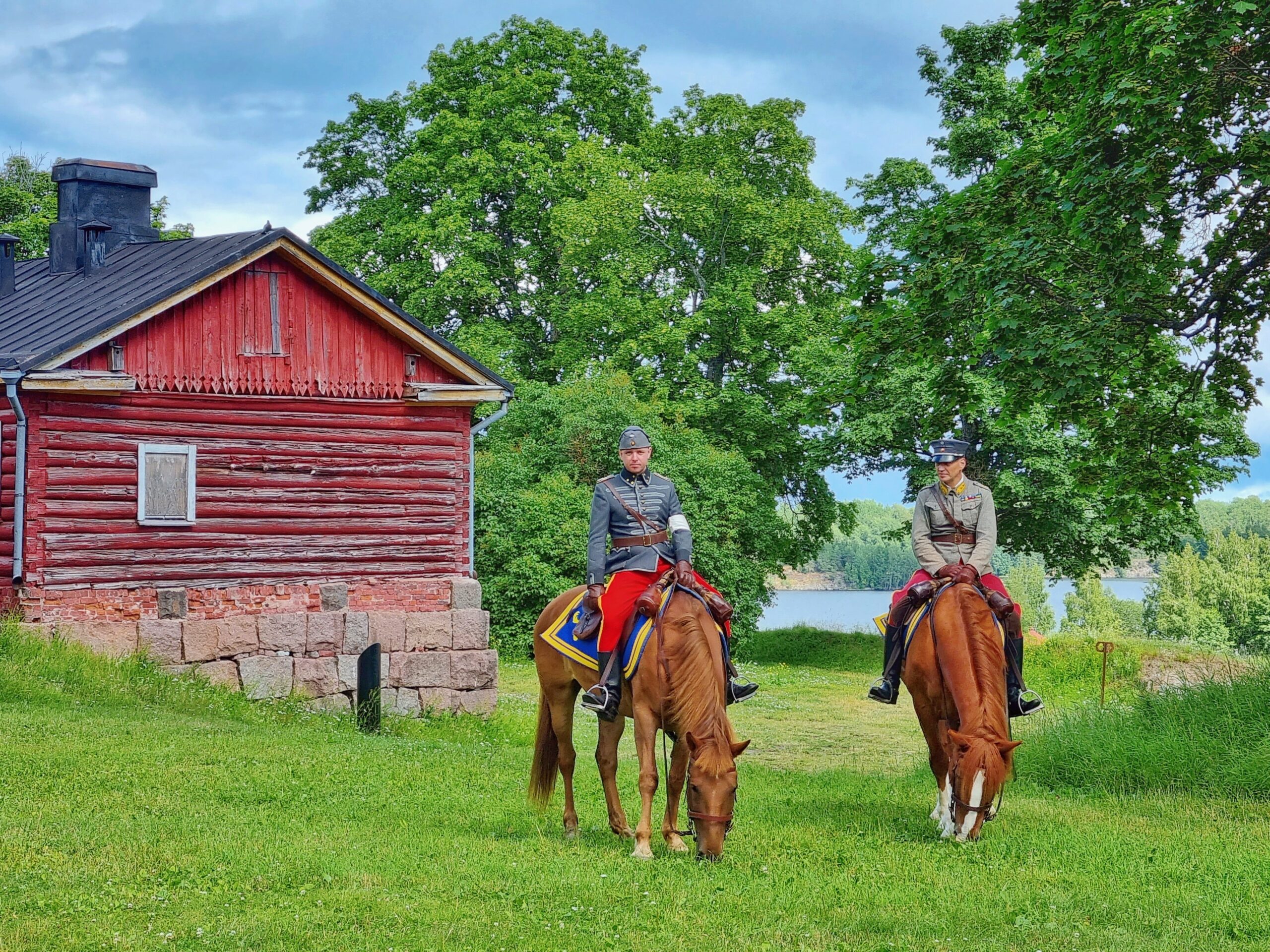
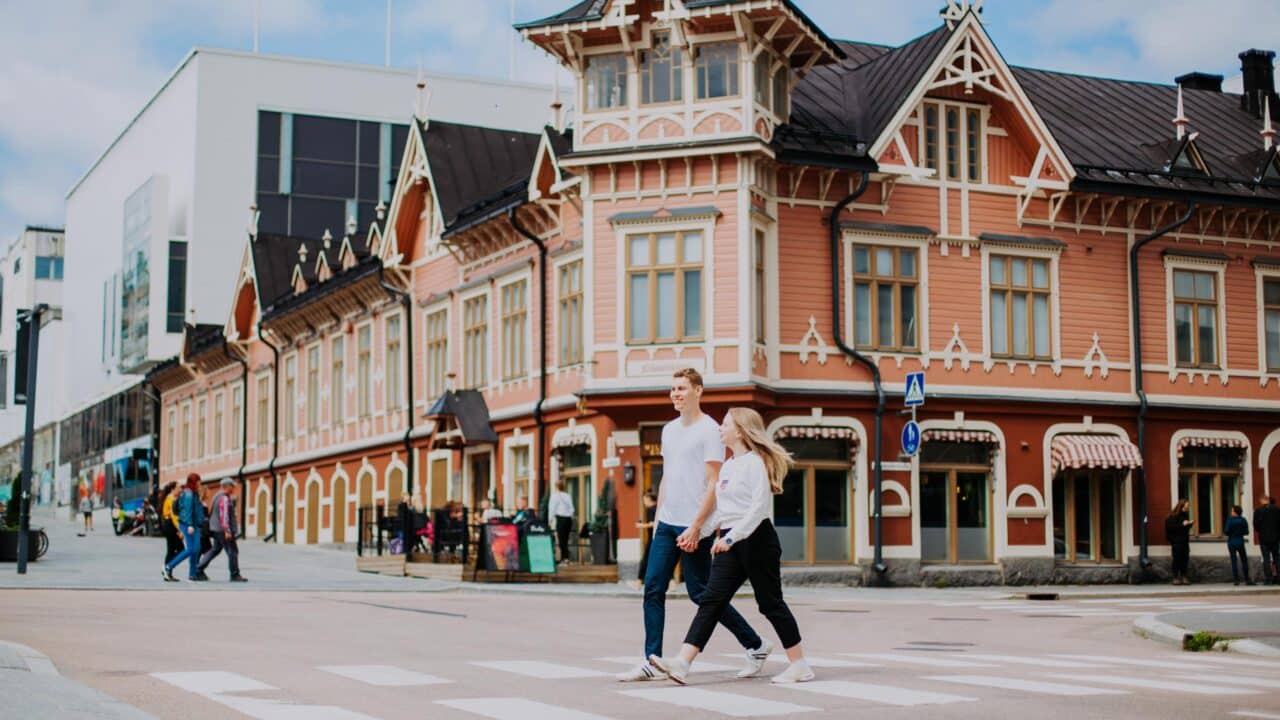
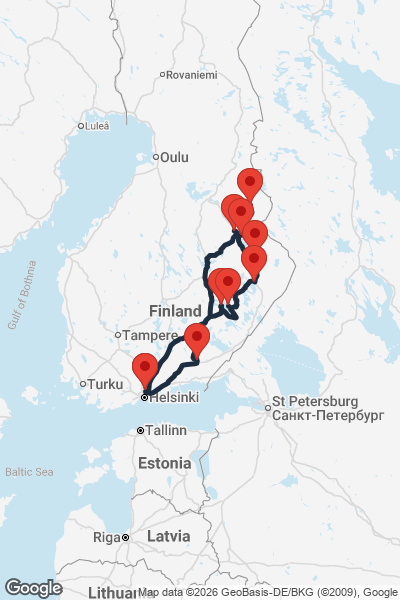
The Lappeenranta Fortress Tour invites visitors to step into history through a scenic route connecting eight key sites within the old fortress area. Along the way, the tour recounts the story of a unique lakeside fortress that has witnessed centuries of trade, shifting borders, and cultural change. Founded as a town in 1649, Lappeenranta evolved from a Swedish stronghold into a Russian fortress city before becoming part of Finland. Its oldest buildings date back to the late 1700s, including the former guardhouse at the main gate (now the Cavalry Museum), the current Lappeenranta Art Museum buildings, the Orthodox church, and the Commandant’s House. Most of the wooden buildings were built in the late 1800s, while the brick military barracks come from the early 1900s.
Useful info
By Train to Lappeenranta:
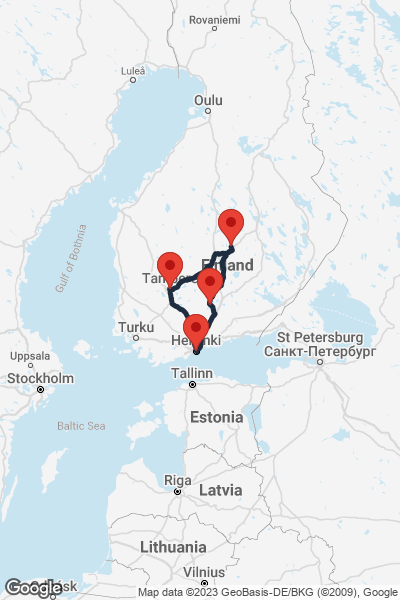
You can easily reach Lappeenranta by train from Helsinki. The journey takes about 2 hours. From the Lappeenranta railway station, you can easily reach the city centre on foot (a 10-minute walk) or via public bus transport.
Train tickets can be purchased via: https://www.vr.fi/en
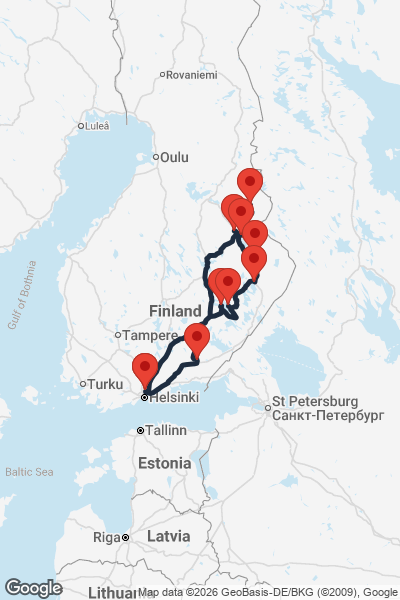
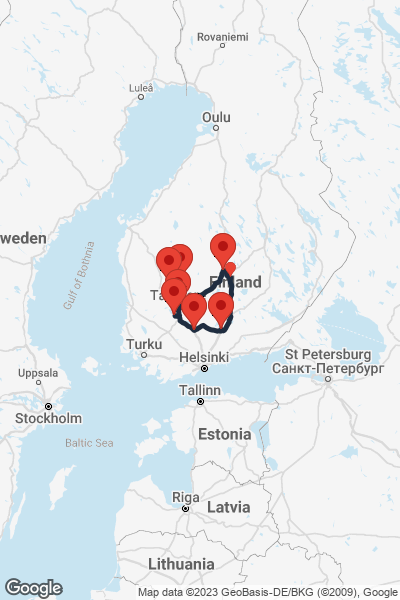
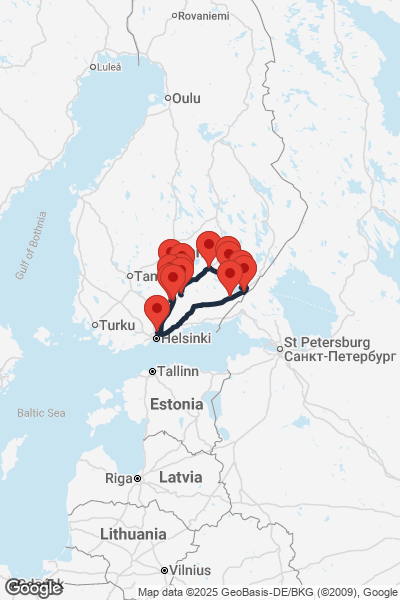
If the map is not visible, allow cookies and refresh page
Route description
-
1Day 1 : Experience historical Lappeenranta in 3 hours
On this walking route, you will see the most historical sights of the Lappeenranta Fortress in a couple of hours.
Navigating Each Day
-
Lake Saimaa Region
Day 1
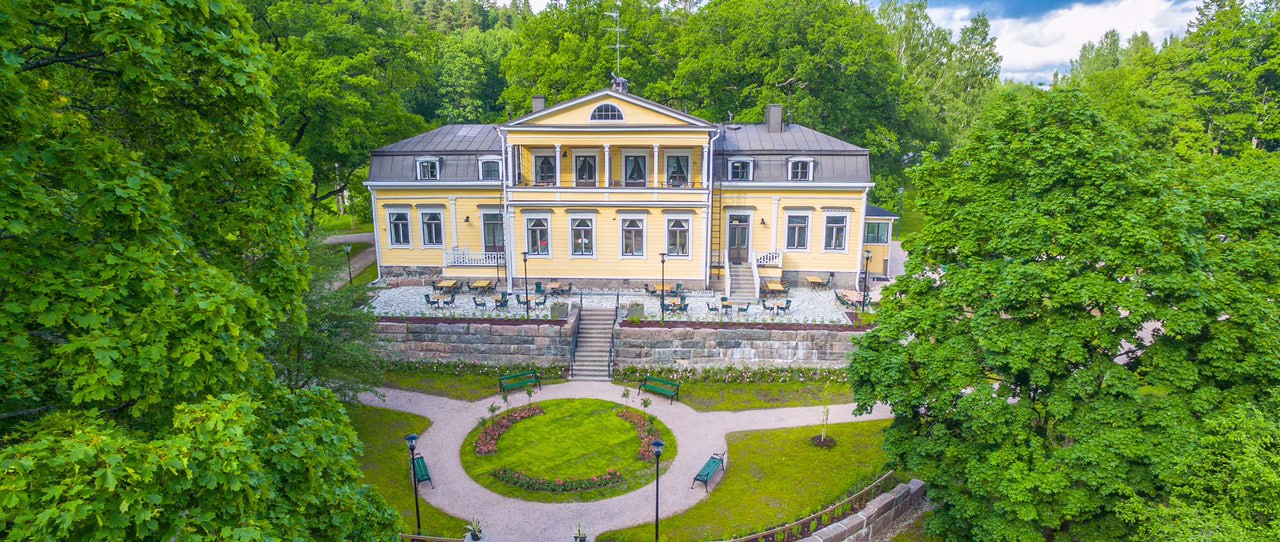
The Cavalry Museum and Majurska House are located just after the Vyborg Gate. The Cavalry Museum, built in 1772, is the oldest preserved building in Lappeenranta and once served as the fortress guardhouse. Nearby stands Majurska House, a former officers’ residence from the 1850s, now home to artisan shops and a very cosy café offering delicious cakes and local delicacies. From the path behind the building, you can reach the ramparts and enjoy one of the best viewpoints over the fortress, the harbour, and the city.
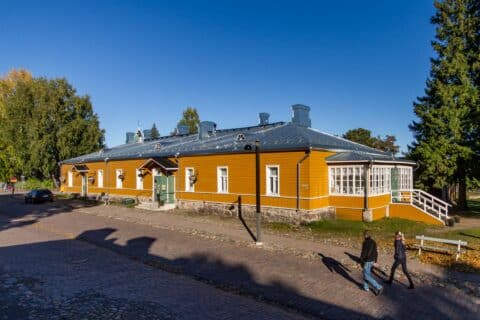
The South Karelia Art Museum and the Church of the Intercession (Pokrova Church) reflect Lappeenranta’s Russian history. The church, completed in 1785, is the oldest Orthodox church in Finland, while the yellow former military barracks across the street now house the South Karelia Art Museum. Together they show how the fortress area has evolved from a military site into a living cultural district.
The Commandant’s House and Katariina Square form one of the historical centres of the fortress. The pink Commandant’s House, built in the 1770s, once served as the residence of the fortress commander and later as an officers’ club and courthouse; today it is used by the city museum. Katariina Square was originally a military parade ground, surrounded by 19th-century barracks and hospital buildings, and it still reflects the original layout and life of the fortress area.
Vesiportinkuja and the Rampart Path lead down toward the harbor and show the fortress’s later military history. Behind the Commandant’s House stands a group of three two-story barracks built in the 1910s, while lower on the slope you’ll see a red-brick military building from the same period, now a restaurant. These buildings belong to the final major construction phase of the fortress, completed in the early 1900s before Finland’s independence
The South Karelia Museum and the Red Prisoners Memorial reflect both cultural history and the darker chapters of the fortress’s past. The museum operates in former artillery depot buildings from 1802–1803, built of local limestone and later used as garages during World War II. Next to the museum stands the memorial dedicated to the Red prisoners who were held and executed here after the Finnish Civil War in 1918, making this site an important place of remembrance and reflection.
The Fortress Prison Area marks the time when Lappeenranta Fortress lost its military role in 1809 and was converted to civilian use. From 1819 onward, the area housed state prison functions, including a work prison for women and later for men. Many of the historic barracks and buildings still remain, now used as cultural, sports, and city facilities. Traces of the old prison fence can still be seen in the surrounding terrain, reminding visitors of the site’s layered and complex history.
The Western Rampart Path follows restored fortress walls along the Pallonlahti side. After the old harbor railway was removed in the early 2000s, the original fortifications could be restored and rebuilt. From behind the former Governor’s House site, the path leads along the ramparts to the summer theatre, founded in 1949, and onward to the Arrow Bastion and the Old Park.
Old Park (Vanhapuisto) and the Battle of Lappeenranta Memorial form a peaceful green area just southwest of the fortress. Once an open and treeless military zone, the park began to take shape in the 1850s and gradually became the city’s oldest park. Here you can find the Arrow Bastion, historic paths leading up to the ramparts, and monuments that tell the story of the fortress and the town.
The memorial marks the Battle of Lappeenranta fought in 1741 between Swedish and Russian forces, one of the bloodiest battles of the period. Erected in 1818, it is the oldest monument in the city and stands as a reminder of the moment when Lappeenranta came under Russian rule.