Lakeland Finland’s shimmering lakes and boundless forests hold an ancient rhythm, a quiet magic that still echoes through the Kalevala. Here, shamanic traditions once guided people to listen deeply—to the wind in the pines, the pulse of water, the wisdom woven into the land. The epic’s heroes, like Väinämöinen, reflect this old way of knowing, where song, nature, and spirit were inseparable. In Lakeland, the stories of the Kalevala feel alive, reminding us that the world is full of hidden connections and that the landscape itself can be a guide, a teacher, and a source of wonder.
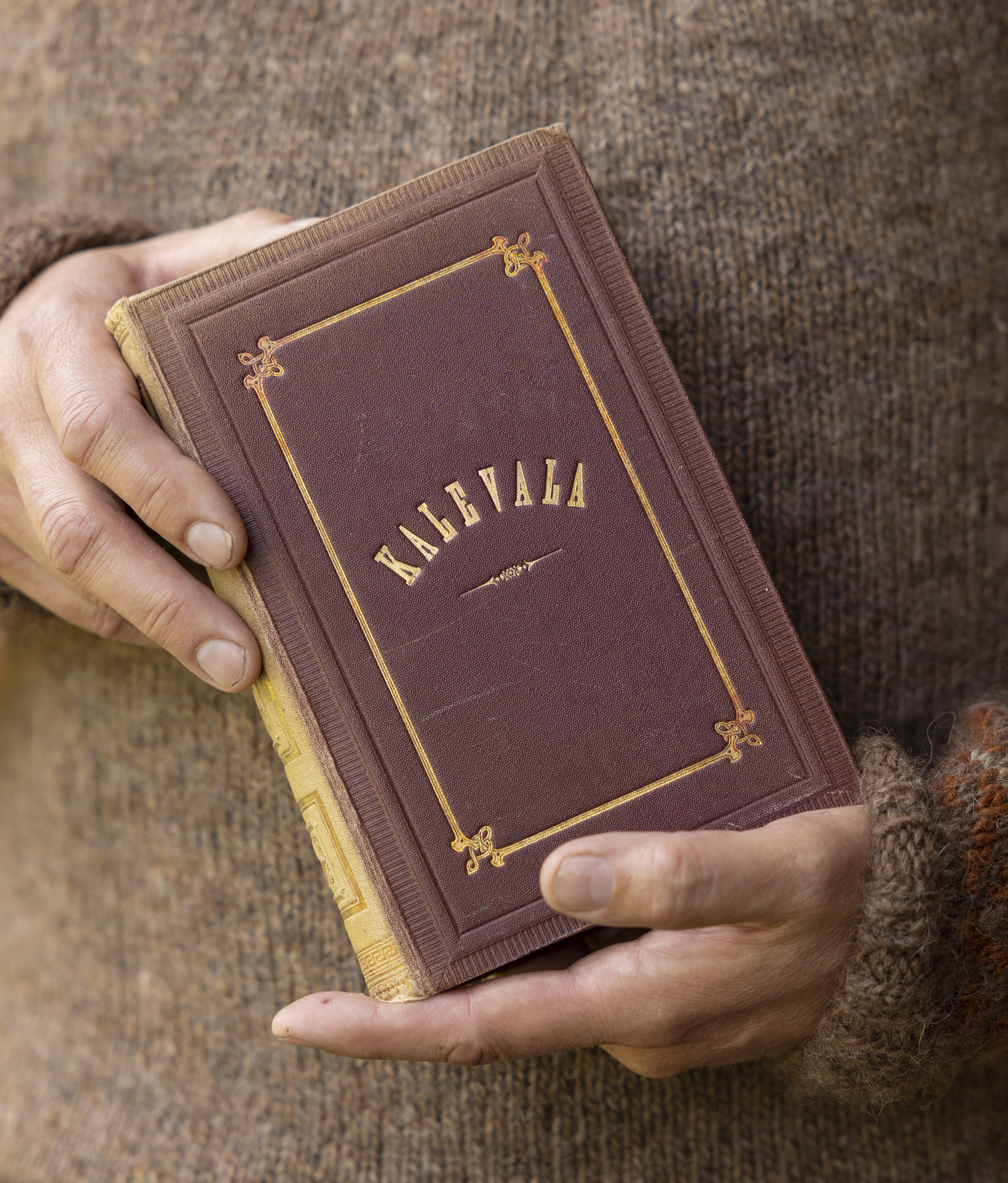
Kalevala – the national epic of Finland
Kalevala, known as the national epic of Finland, was compiled by Elias Lönnröt in the 19th century. The epic is based on traditional songs and poems and tells the mythic history of Finnish people through the adventures of legendary heroes such as Väinämöinen, a wise old sage with magical songs; Ilmarinen, a master blacksmith; and Lemminkäinen, a daring and impulsive warrior. Much of the Kalevala story centers around their quests, rivalries, and encounters with supernatural beings, as well as the creation and theft of the mysterious and powerful Sampo, a magical object that brings fortune to its owner. Blending myth, magic, heroism, and nature, the Kalevala paints a rich picture of ancient Finnish folklore and identity.
Kalevala – The European Cultural Heritage Label
Kalevala is one of the few intangible cultural heritage sites to have cultural heritage sites to have been appointed with the European Cultural Heritage Label. The label was given to Kalevala as a living epic, that lives in time and is still being used for new scientific, artistic and cultural interpretations. Kalevala has also been translated to over sixty different languages.
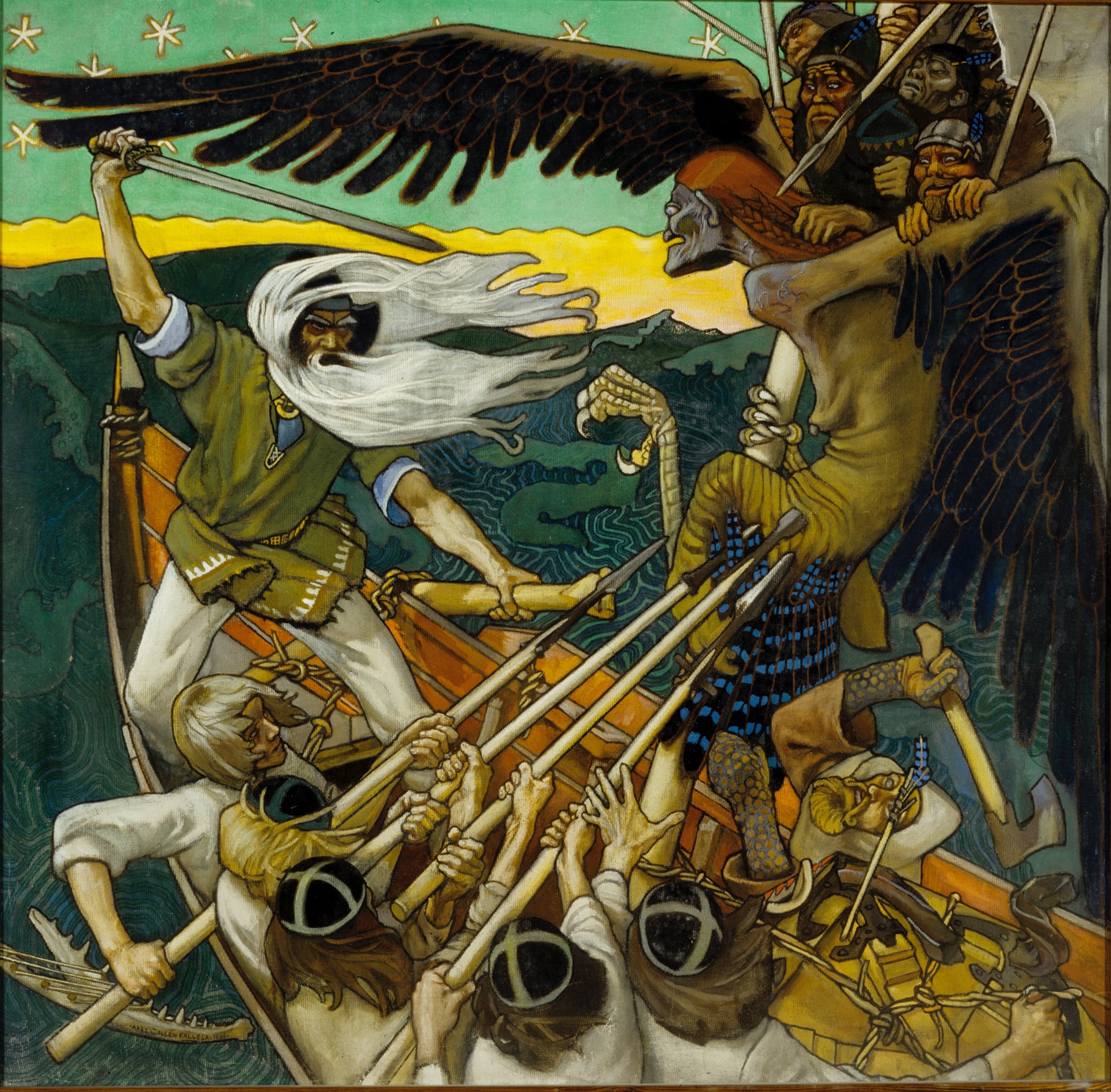
Inspiration for artists around the world
Kalevala has gained interest over cultures and has provided inspiration for many artists: metal music, fantasy literature, handicrafts traditions and tattoo art. Artists such as J. R. R. Tolkien when he was writing the “Lord of the Rings” books as well as a children’s book author Mauri Kunnas in “The Canine Kalevala” and painters such as Akseli Gallen-Kallela in several Kalevala themed paintings and Don Rosa in is comic book story “The Quest for Kalevala” have been inspired by the Finnish epic.
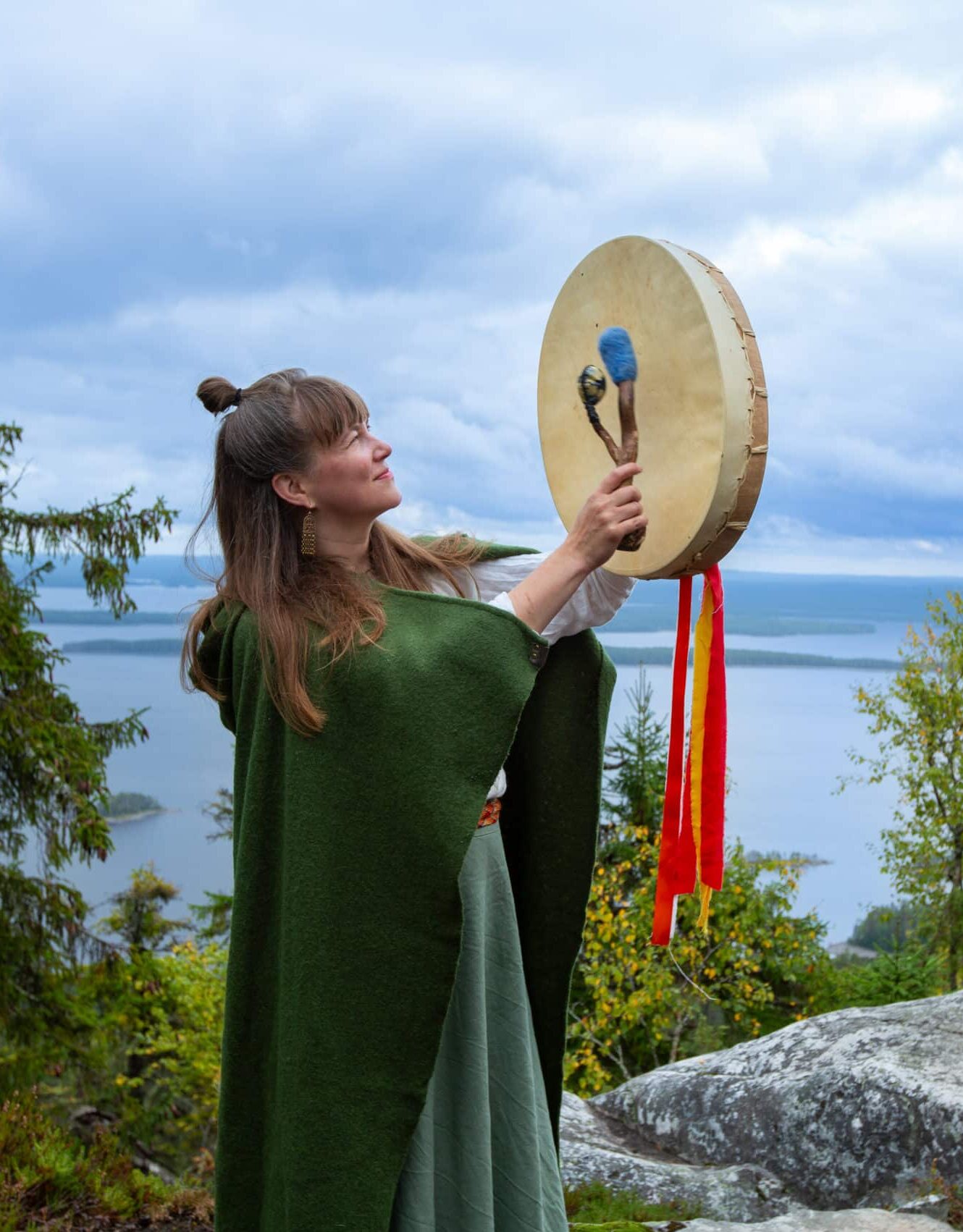
The traditions of Shamanism
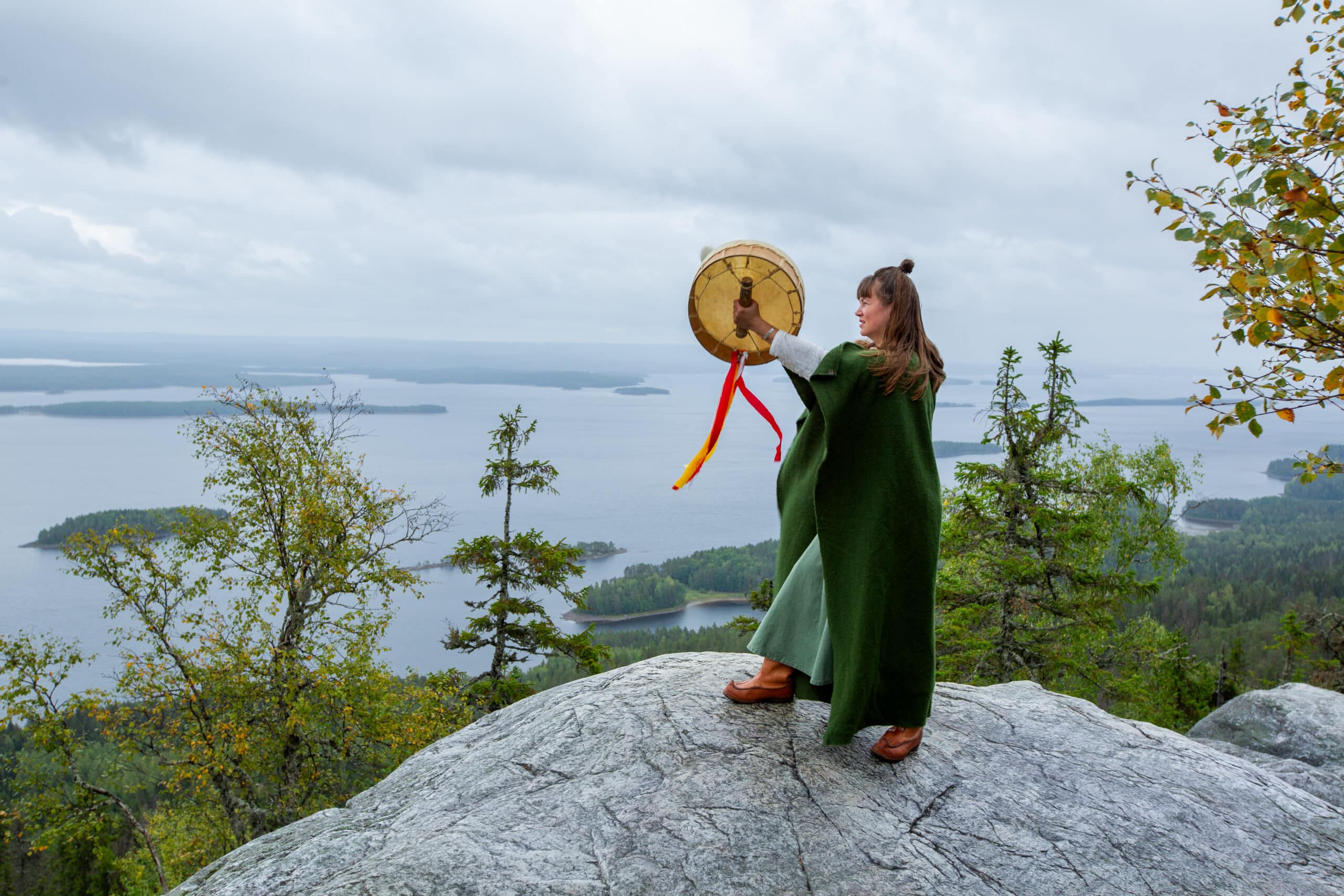
Shamanism in Lakeland Finland—rooted in Finno-Ugric animism, healing rituals, and spirit-journeys forms the cultural backbone of the Kalevala epic. The traditional Finnish shaman or noita acted as a healer, seer, and ritual specialist who communicated with the spirit world through chanting, drumming, and trance work. Much of what we know comes from old rune songs and later ethnographic records. In ancient Lakeland communities, the noita (shaman) used chant-poetry, trance, and spirit travel to influence health, weather, luck, and the natural world. These same practices appear throughout in the Kalevala epic in mythic form.
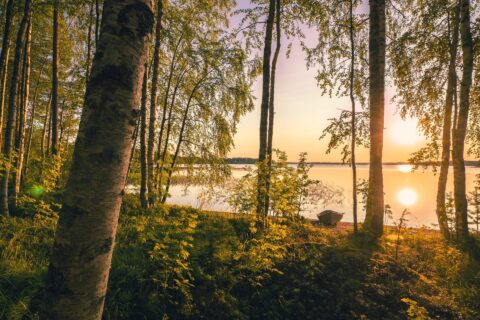
In Lakeland Finland, with its dense forests and thousands of lakes, people believed spirits lived in waterfalls, forests, stones, animals, and household spaces. Rituals focused on securing good hunting, fishing luck, fertility, and protection. Shamans used magic songs (loitsut), sacred knowledge of herbs, and symbolic objects such as drums or amulets to restore balance between humans and spirits. Though shamanic practices declined after Christianization in the Middle Ages, many traditions survived in folklore: healing charms, protective spells, ancestor reverence, and ritual relationships with nature.
Shamanism and Kalevala
Today, shamanic themes remain visible in Finnish cultural heritage, especially in the mythology behind the Kalevala.
Väinämöinen embodies the ideal shaman: he creates, heals, and defeats enemies through magical singing, just as real shamans used loitsut (incantations) to shape reality. Lemminkäinen’s death and resurrection echo old shamanic beliefs about the soul’s ability to journey between worlds. Ilmarinen’s forging of the Sampo reflects ritual craftsmanship and the idea that tools themselves could possess spirit power. Even Louhi, Mistress of Pohjola, represents a powerful northern shamanic ruler who commands spirits and sets ritual trials.
Many Kalevala episodes including spirit battles, soul journeys, talking animals, and magical contests mirror the worldview of Lakeland shamanism, where nature is alive, every place has a spirit, and knowledge is power. In this way, the Kalevala preserves the mythic memory of the shamanic traditions once practiced around Finland’s forests and lakes.
The House of Bear
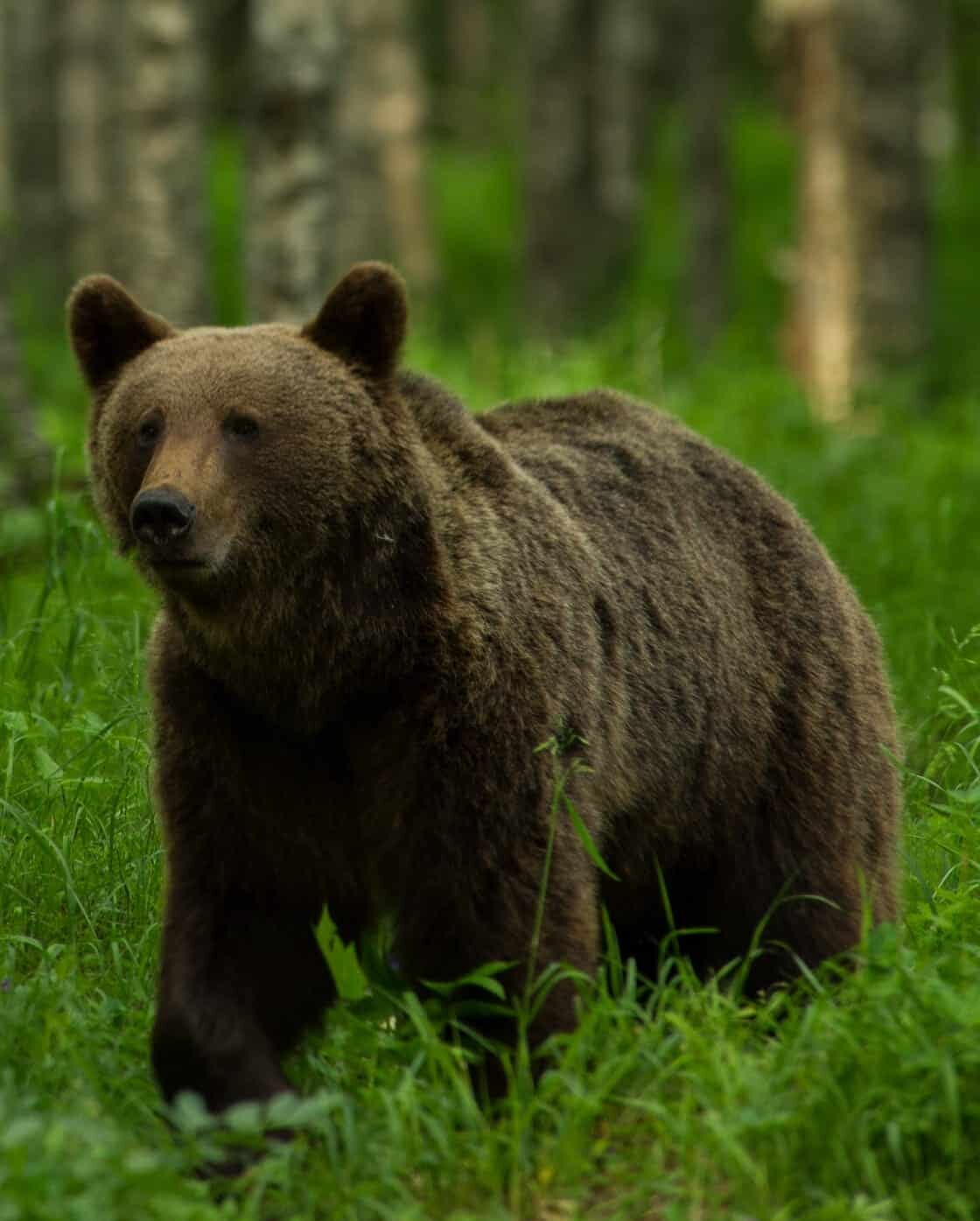
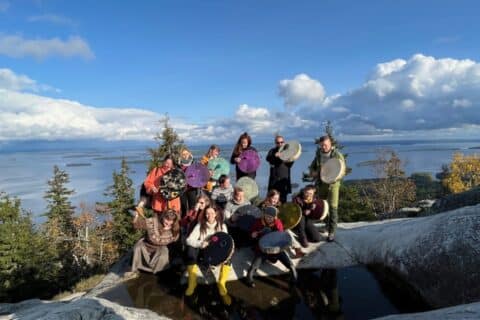
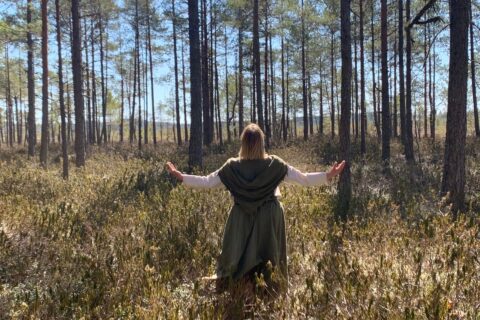
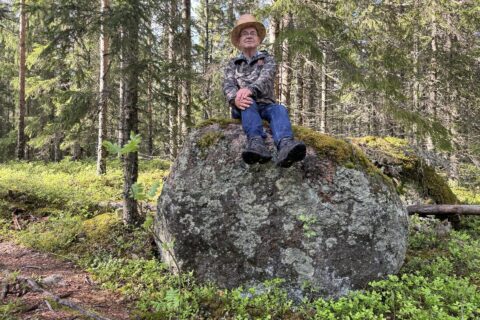
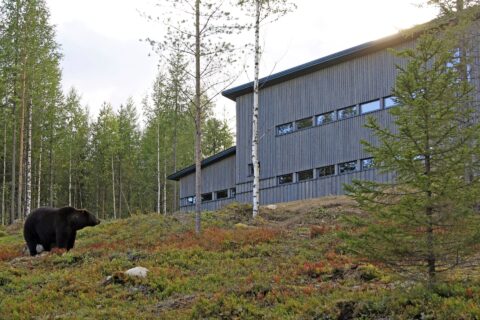
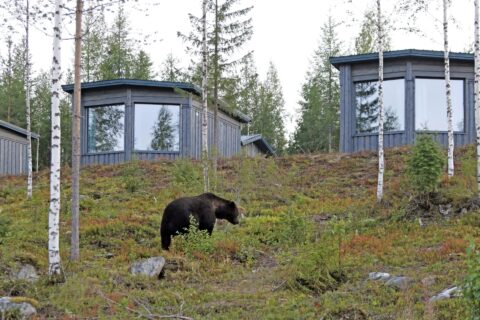
The House of the Bear led by Helena Karhu in the forests and wilderness of North Karelia, offers a wide range of nature-rooted guidance, handcrafted traditions, drum courses, and a wide range of soulful experiences inspired by the region’s deep cultural heritage in forms of courses, retreats, lectures and nature-based spiritual ceremonies. Drawing from local wisdom, land-based practices, and her own lifelong connection to the wild, Helena creates workshops and encounters that invite visitors to slow down, listen, and rediscover their inner voice. Whether through storytelling, craft, or quiet moments in nature, the House of the Bear provides a sanctuary where ancient knowledge and modern seekers meet in meaningful, transformative ways.
The Symbolic and Mythical Significance of Bears in Nordic Culture
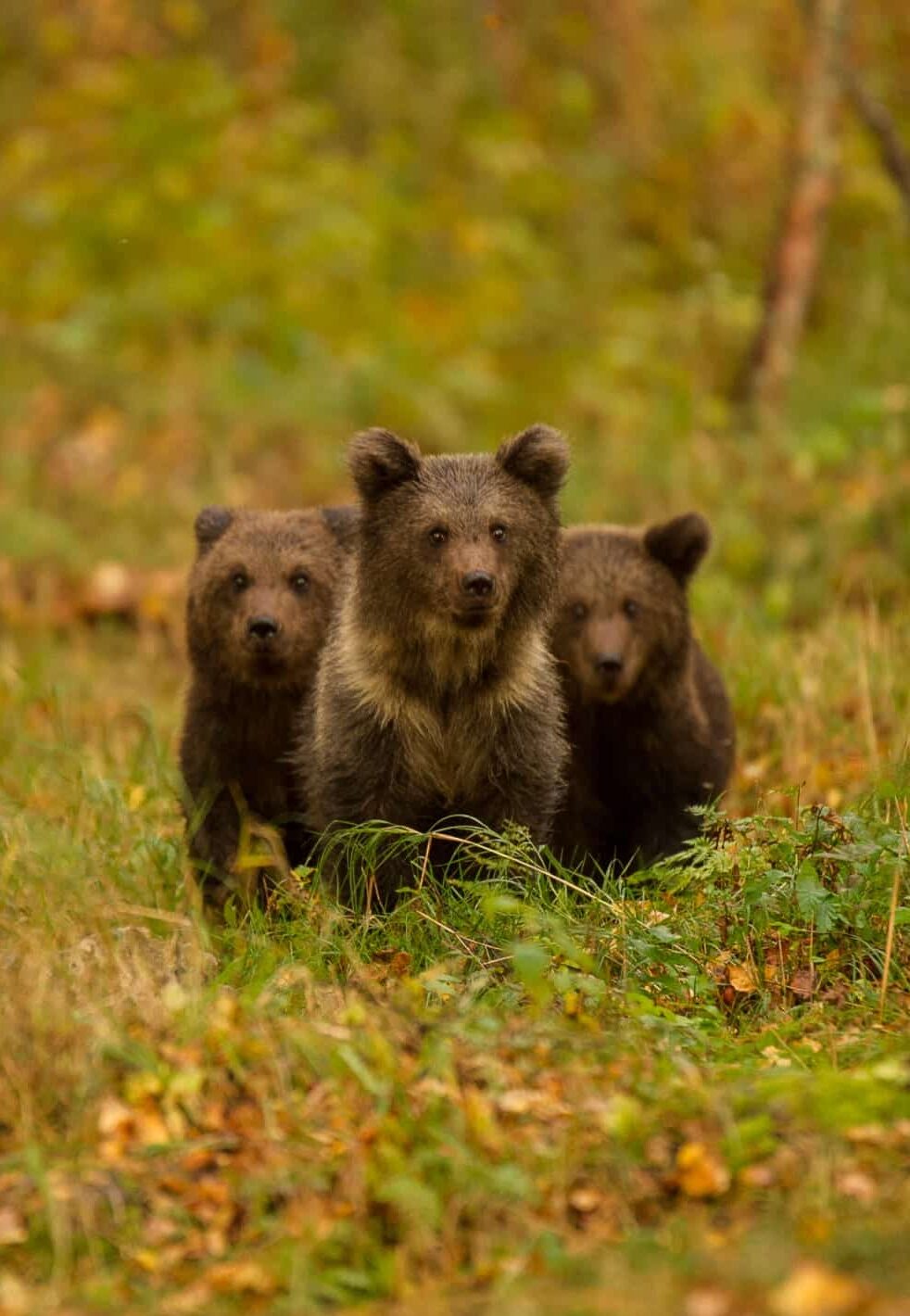
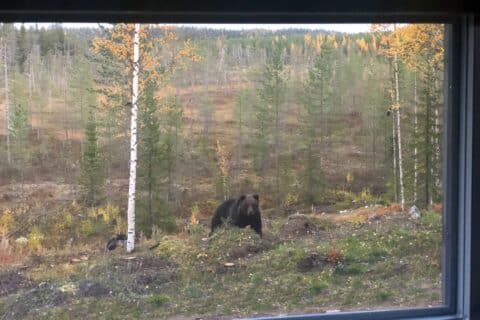
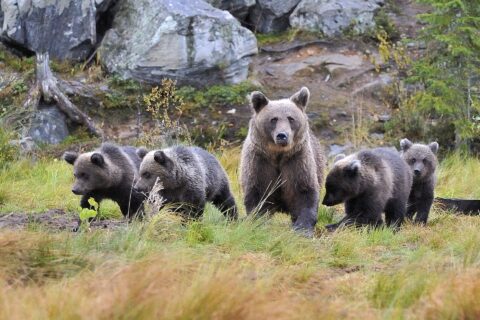
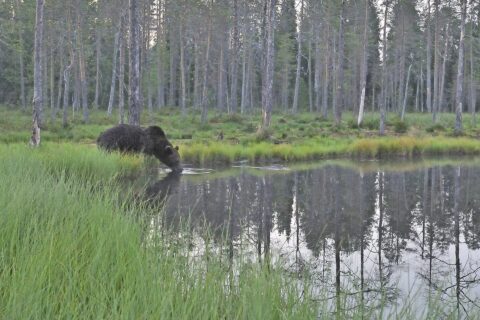
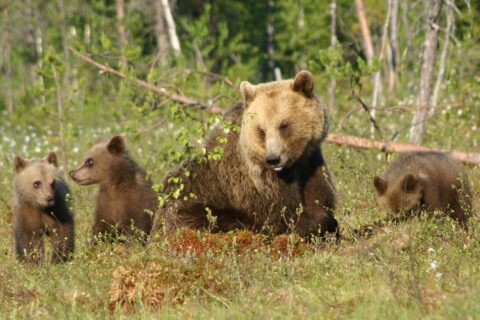
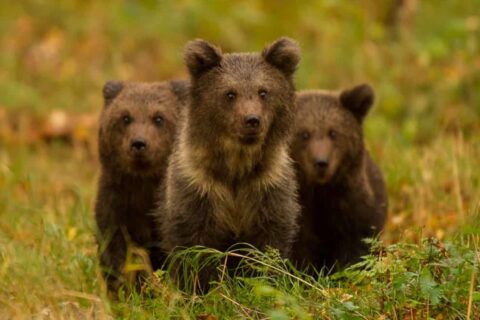
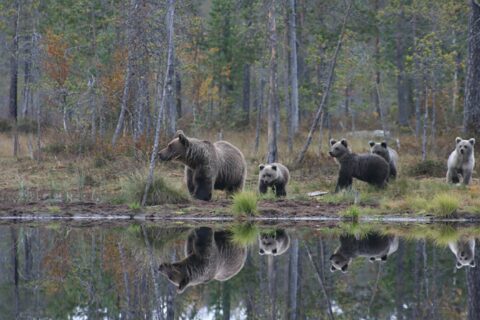
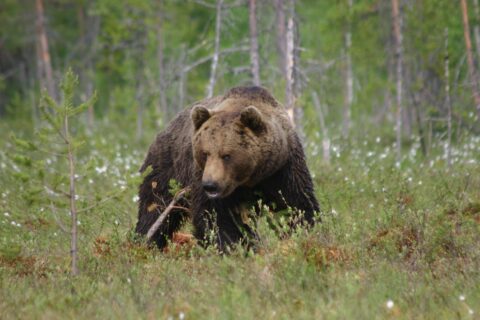
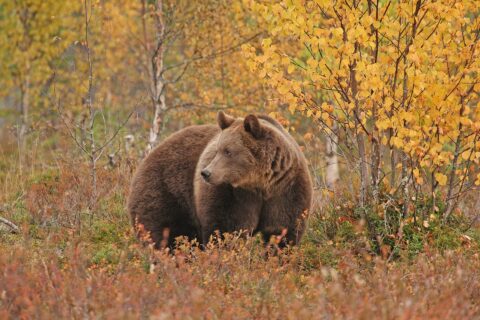
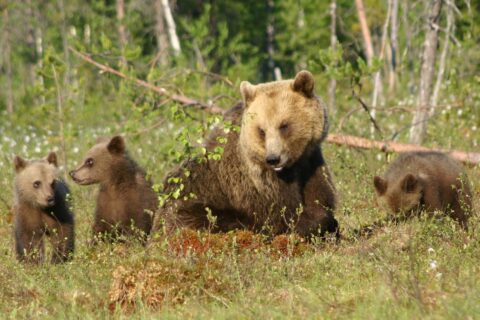
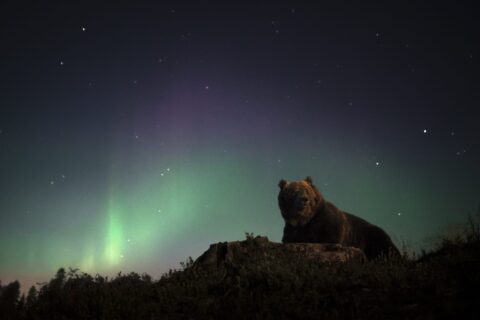
Bears have long held a place of deep respect in Nordic traditions, rooted in various myths and cultural practices. For ancient Finns, the bear was considered a sacred animal, embodying spiritual significance. A legend suggests that the bear descended from the Big Dipper (Otavan tähtikuvio) in the sky. Bear hunting has been a tradition for centuries, and the celebration of “peijaiset” still exists today. During these festivities, people honor the bear and perform rituals asking it to return to the forest, ensuring it remains a source of nourishment for the community.

Koli – Mythical Finland
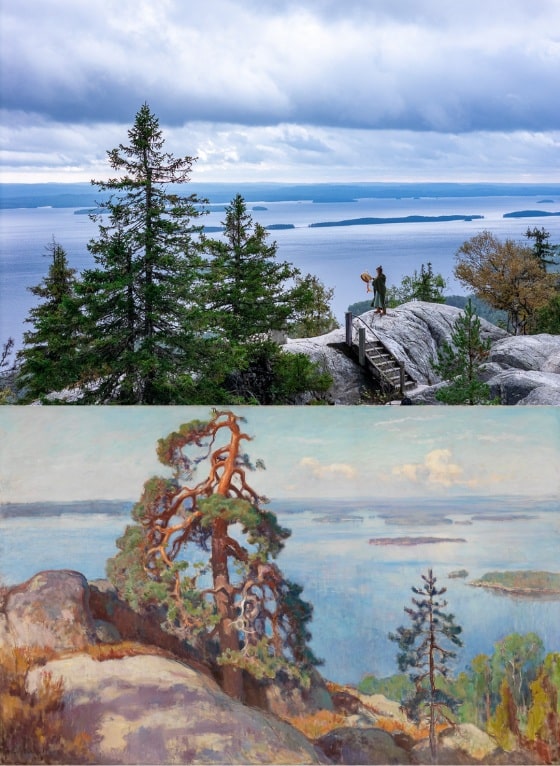
Koli Peaks in Koli National Park in Mythical Finland, North Karelia is named the national landscape of Finland. The peaks of Koli have a long history. The landscape has inspired artists for decades, including the painter Eero Järnefelt and the poet Eino Leino. Traditions of slash-and-burn-clearing have shaped the nature around the Koli nature park. The history of Koli has a lot of stories, some of them dark. One of the peaks Paha-Koli was also used as a historic court site, and if one was considered guilty they were thrown off the hill. In case the guilty party made it out alive, they were proclaimed innocent.
Ancient Rock Paintings in Lakeland Finland
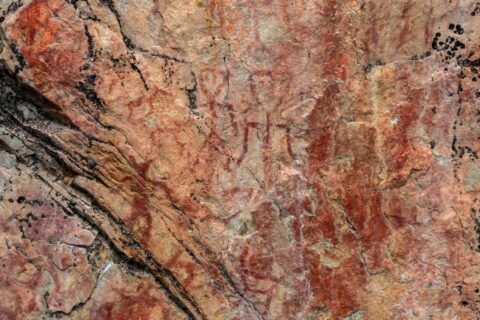
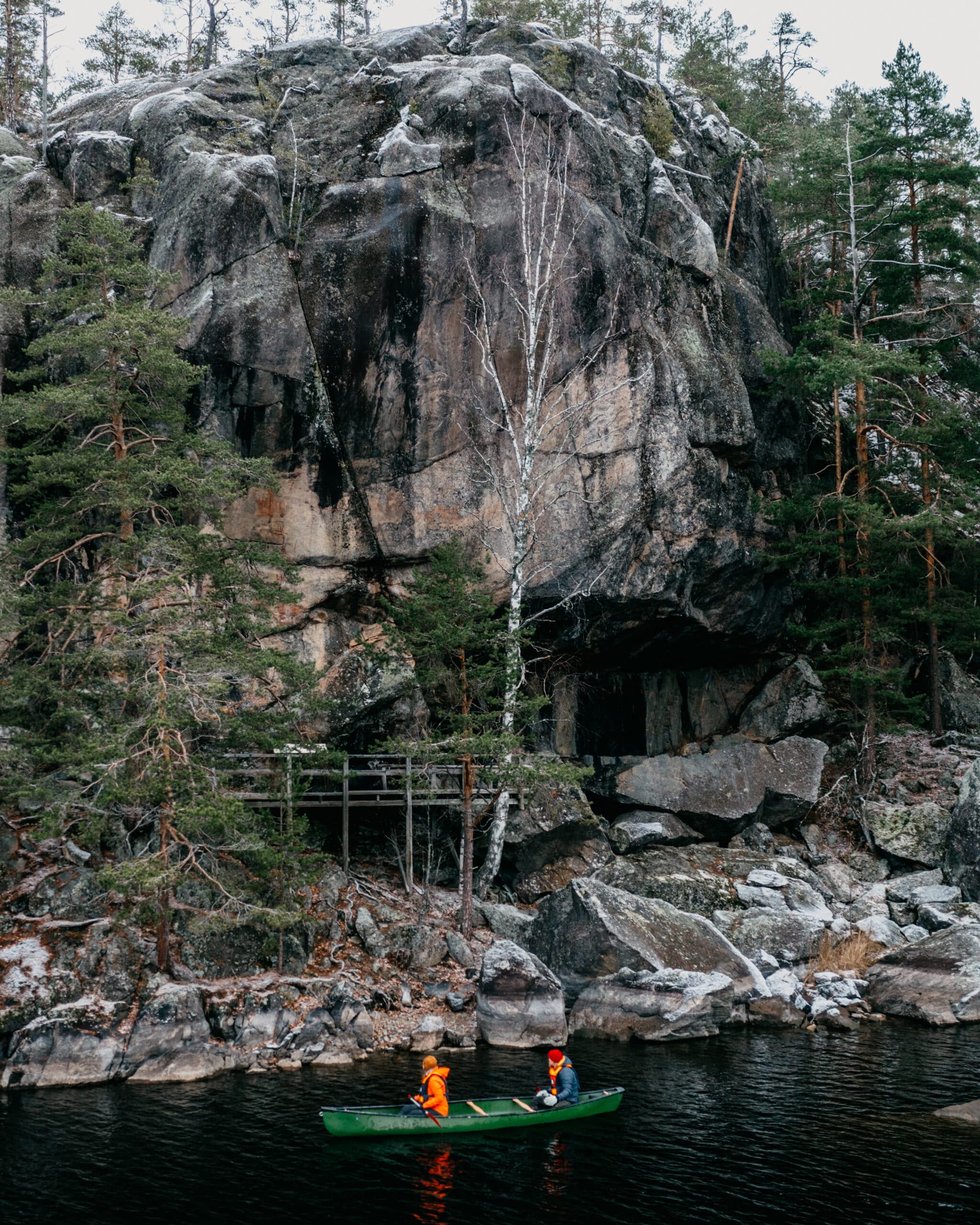
Astuvansalmi, on the shores of Lake Saimaa, is home to one of Finland’s most remarkable rock-painting sites, where over 4,000 years ago ancient people left vivid images of elks, humans, boats, and handprints — echoes of their beliefs and daily life. The cliff itself resembles the profile of a sleeping human face, inspiring the myth of Astuvan Ukko, “the old man of Astuva,” a silent Stone-Age deity. Approaching from the lake makes the illusion striking: the great stone face rises from the water, and a nearby cavern creates a resonant echo, deepening the sense of a slumbering god watching over the painted sanctuary.
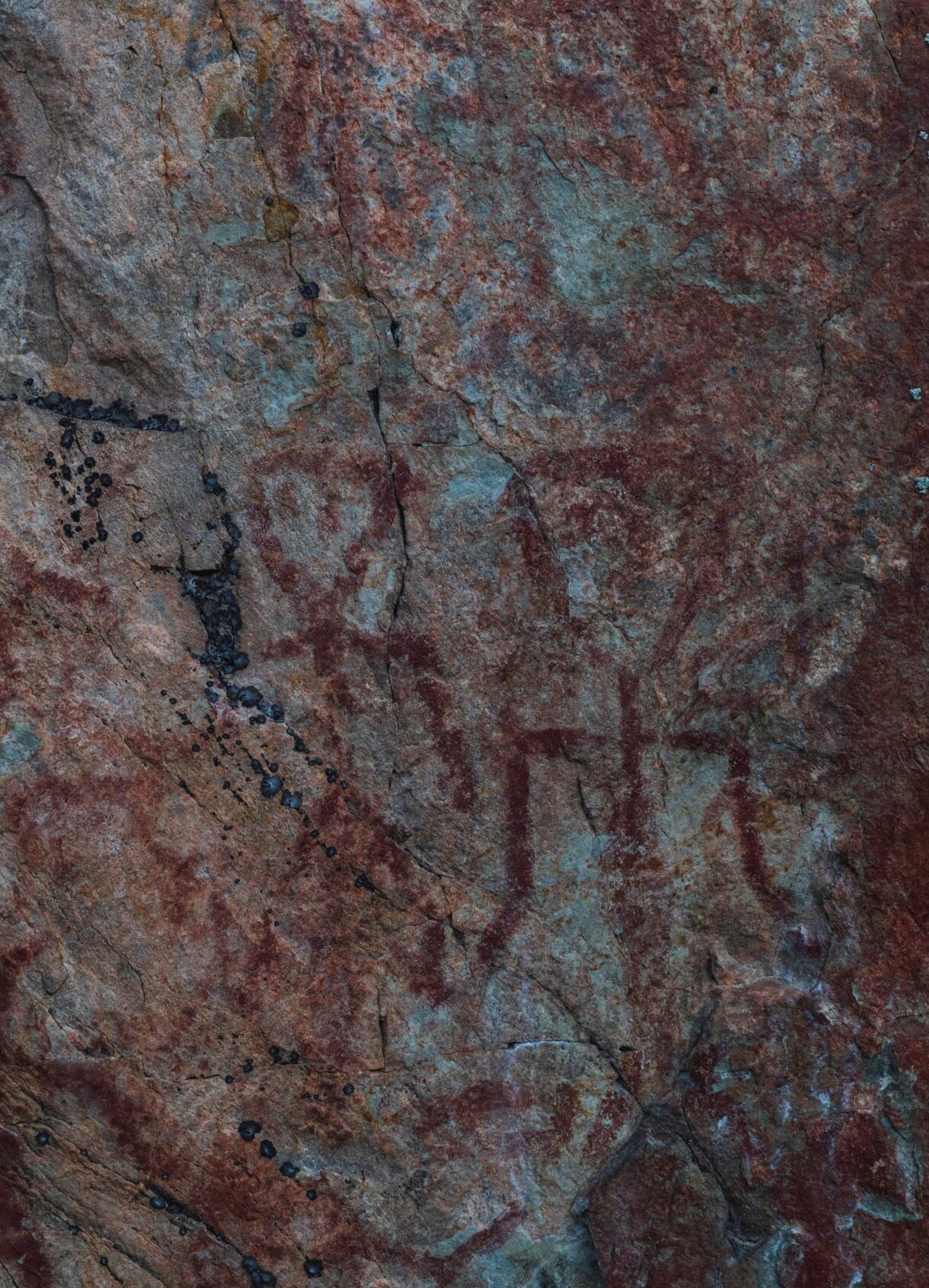
Värikallio Rock Paintings in Hossa national park, Arctic Lakeland are one of the largest prehistoric rock paintings in Finland. The paintings were made during the Stone Age, approximately 3,500 to 4,500 years ago. The rock paintings are located along a water route that was used during ancient times, meaning they were either painted from a boat or when standing on ice on the lake. A total of 61 figures depict scenes of hunting and shamanic rituals. The paintings were found in 1977.
Saraakallio in Laukaa, on the shore of Lake Saraavesi, is the largest rock art site in Fennoscandia. The 40-metre-high cliff features over 100 paintings, some dating back 7,000 years – older than the pyramids. Images include deer, humans, boats, snakes and geometric patterns. Visitors can spot a few figures easily, while experts see dozens. The site is accessible by boat in summer. Laukaa Harbour, about 3 km away, offers canoe rentals in summer.
Kalevala Themed Attractions in Lakeland Finland
Juminkeko in Kuhmo, Arctic Lakeland is an information center and cultural center dedicated to the Finnish national epic, the Kalevala, Karelianism and Karelian culture. The center belongs to the Kalevala Heritage Label network. The Juminkeko center has the world’s largest Kalevala collection, comprising of over 60 translations of the epic Kalevala and has worked for four decades to preserve the Kalevala’s cultural heritage. Juminkeko’s archive building Koppanen is home to the Kuhmo City of Literature office, and since 2019 the city has belonged to the UNESCO Creative Cities Network—one of 42 member cities worldwide and the only City of Literature in Finland.
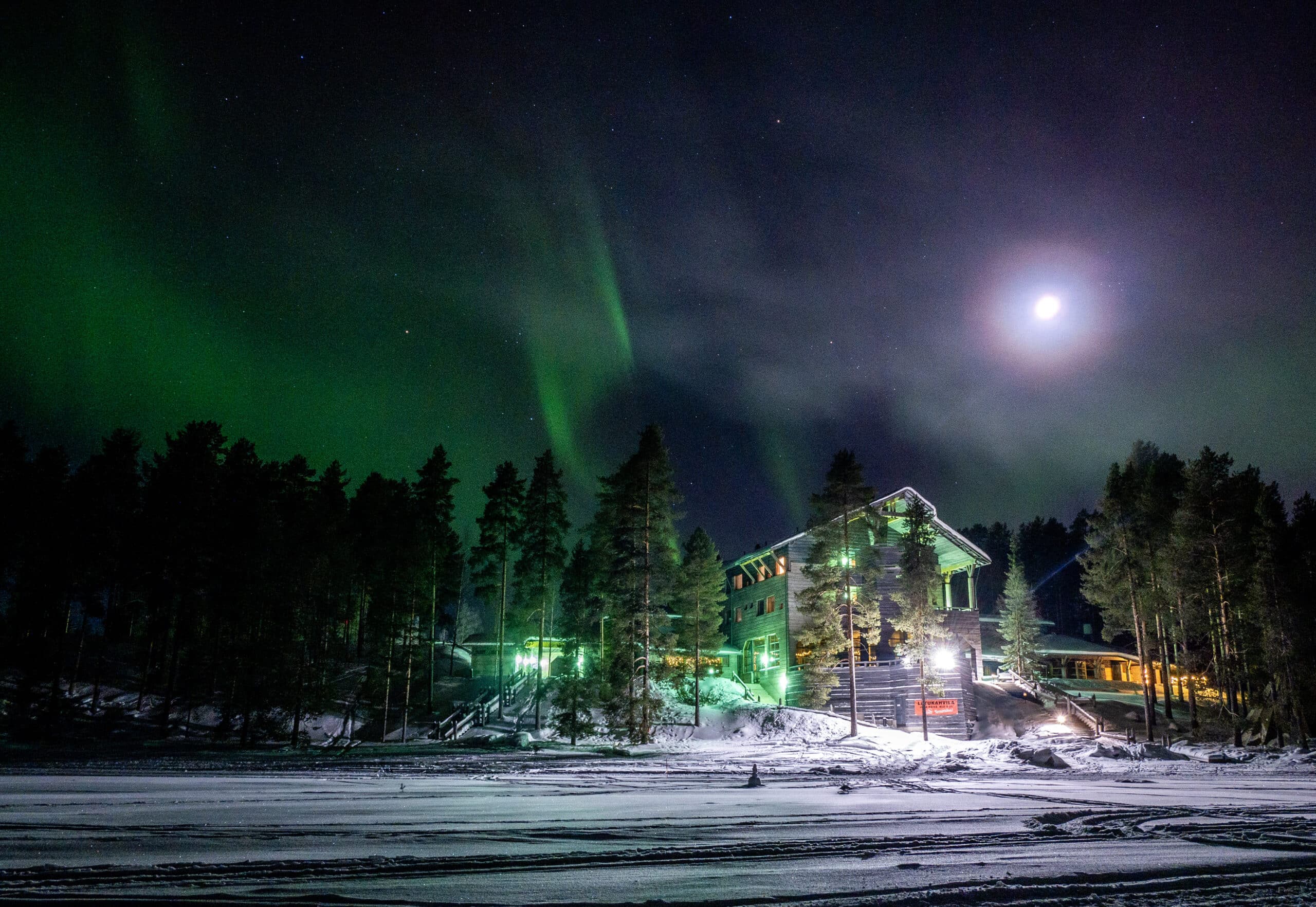
Hotel Kalevala located in Kuhmo, Arctic Lakeland was designed by the architect Ilpo Väisänen and was built in the shape of the Kokko bird from the Kalevala epic. The hotel is unique in the world and the Finnish Heritage Agency has declared the building an SR site (= protected building).
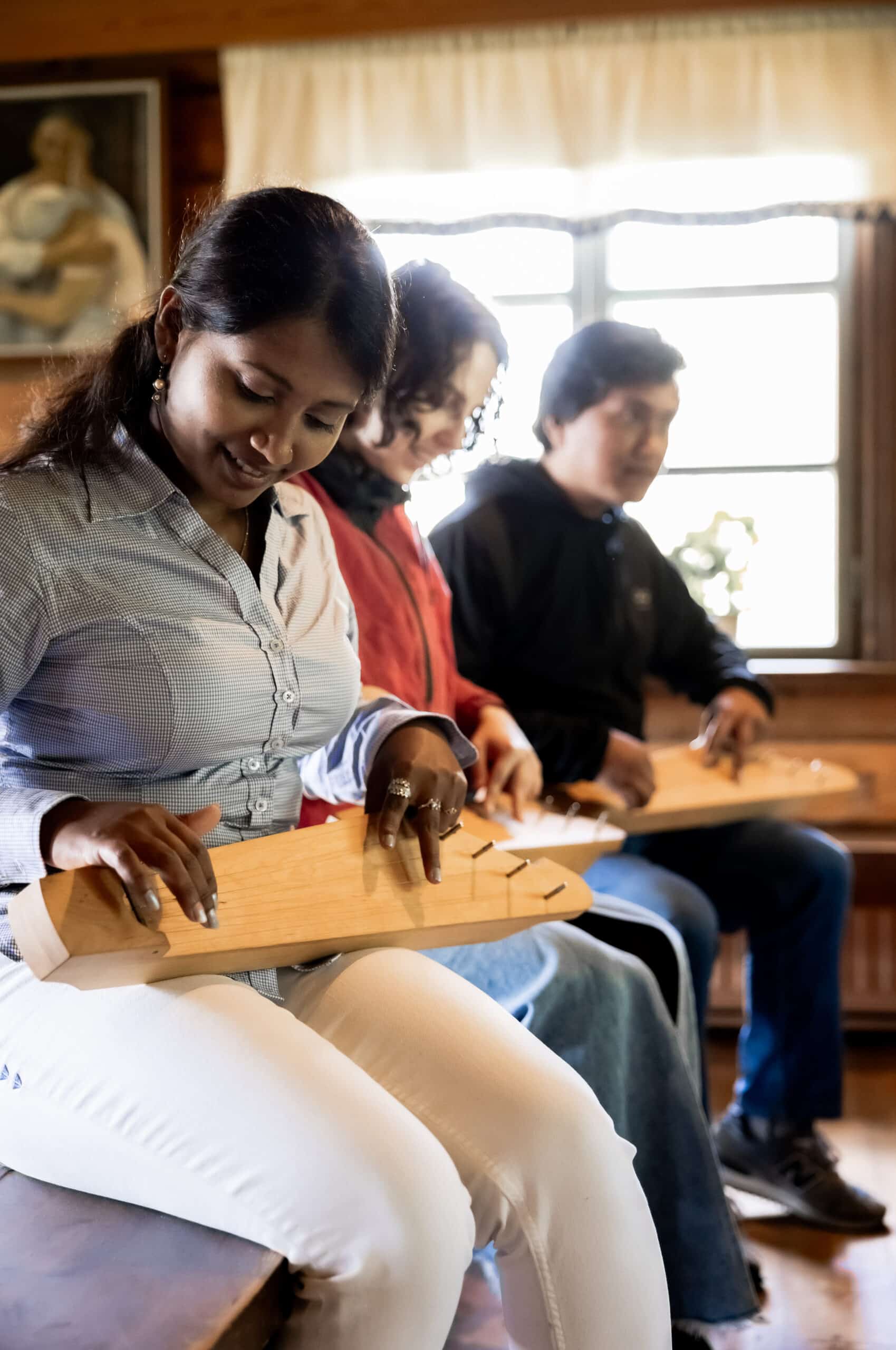
Parppeinvaara – Rune Singer’s Village is one of the places under the Kalevala Cultural Heritage Label. Ilomantsi is a location that Elias Lönnröt used for collecting a lot of material for the Kalevala as well as another book called Kanteletar. One of the main objectives of Parppeinvaara – Rune Singer’s Village is to uphold the local rune singing, which is connected to the Kalevala Cultural Heritage. The Rune Singer’s Village is also a museum site, showcasing historical buildings and exhibitions related to the local history and way of life.
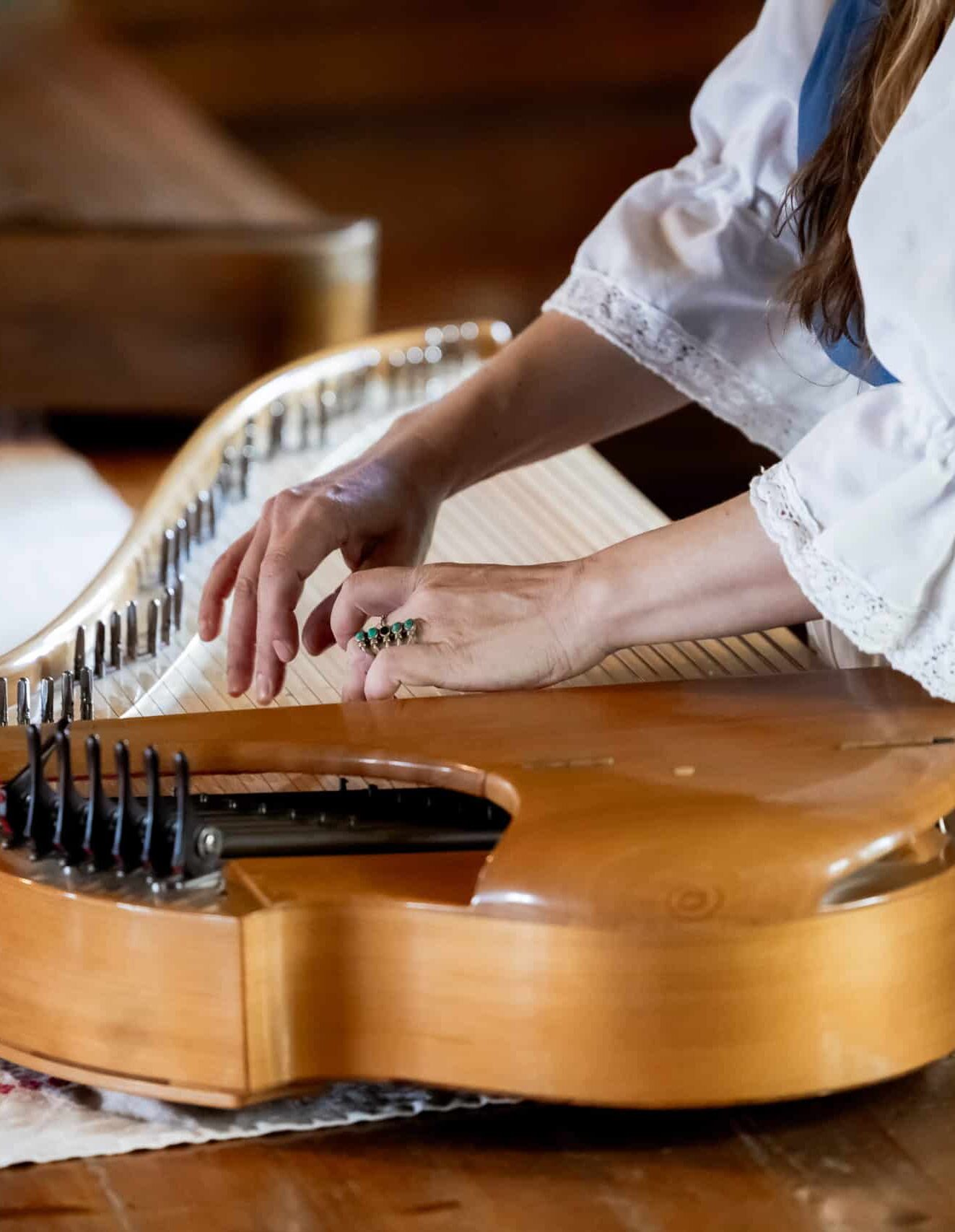
In the Rune Singer’s Village you can also listen to the traditional live Finnish zither music or rune singing. Finnish zither player and guide and rune singer work on alternate days and guide groups as well as individual travelers during the summer season and with booking outside of the summer season. With guided tours, they will lead you to the local rune singing traditions.
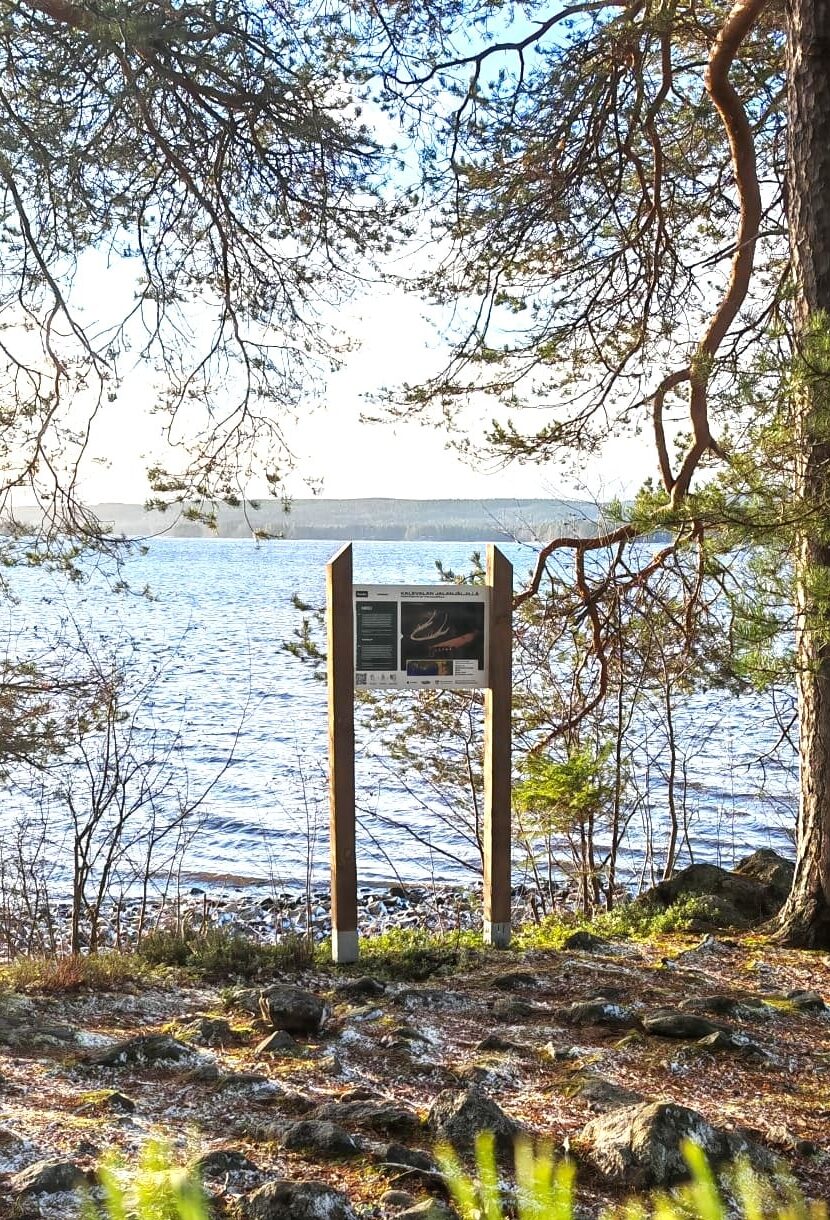
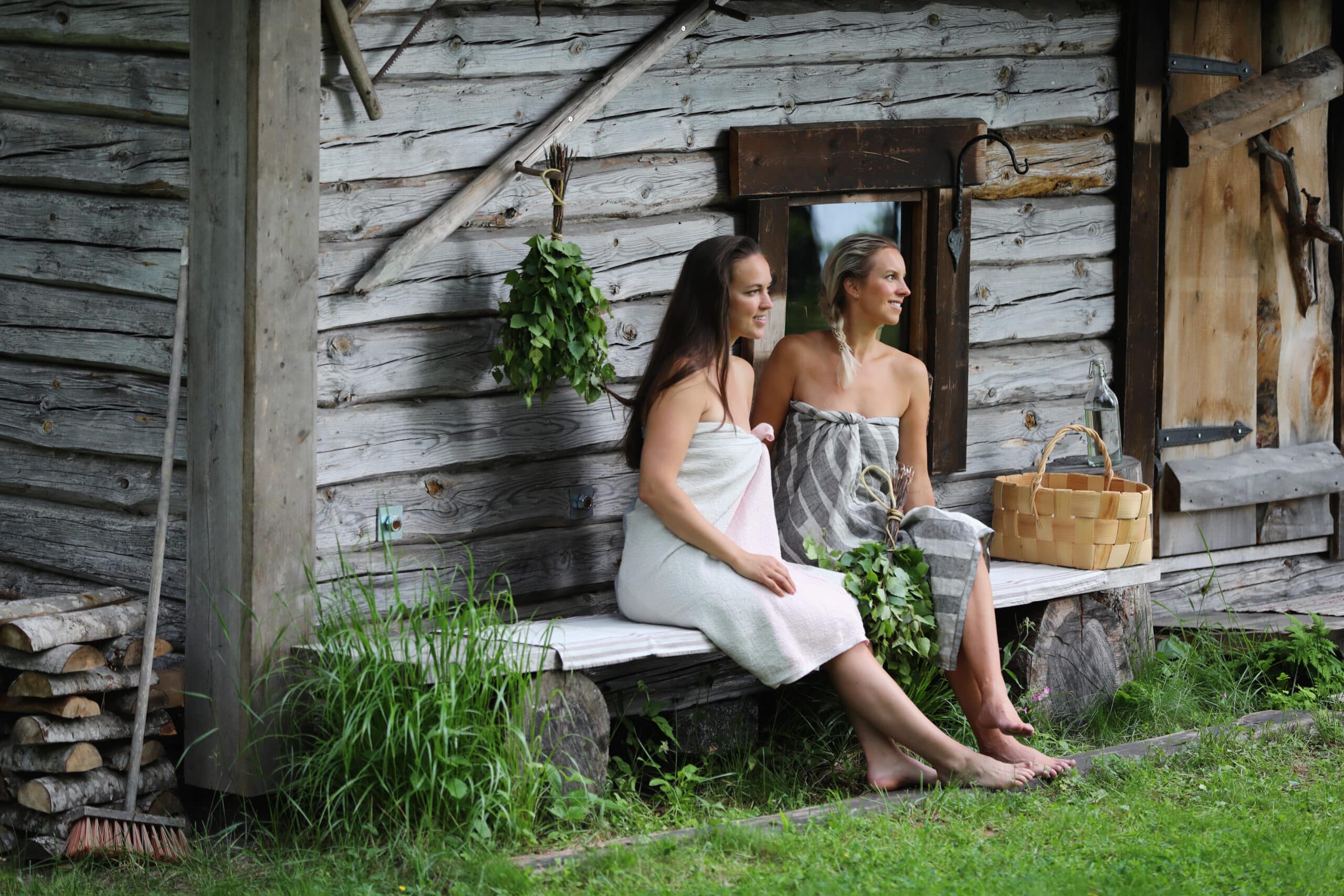
In Bomba, North Karelia you can walk in the Footprints of the Kalevala – Experience Trail. The experience is suited for the whole family, enhanced by AR technology and partially encountered with a smart device. The trail highlights some of the important themes to Finnish identity and the beloved national epic, Kalevala. Along the trail one will learn more about the national instrument, the Finnish zither (kantele), the bear as the national animal as well as folk healing and the soul of Finnish lifestyle – the traditional Finnish sauna.
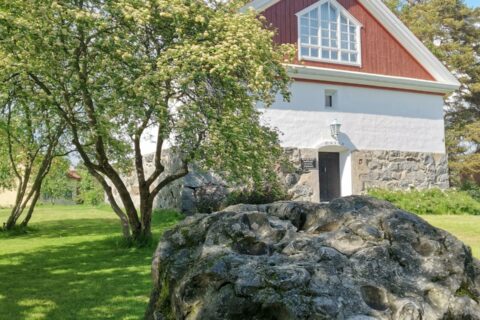
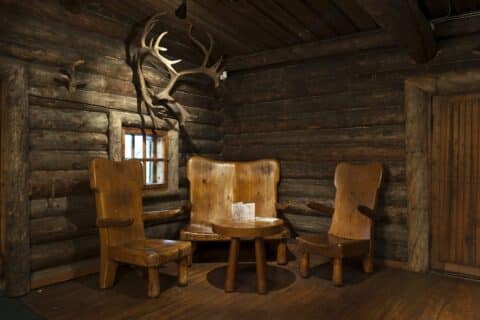
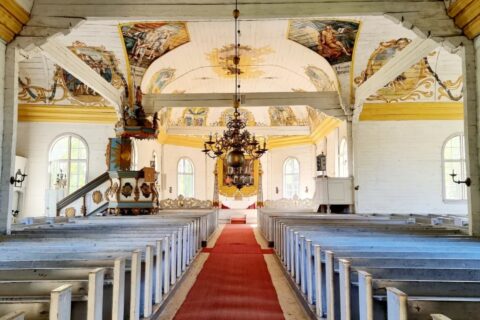

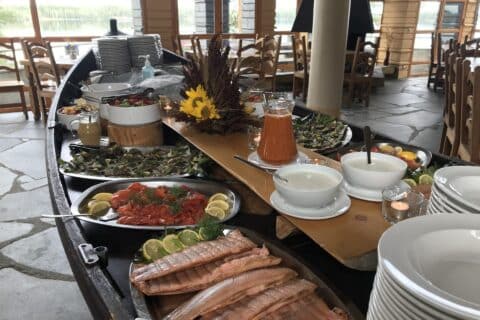
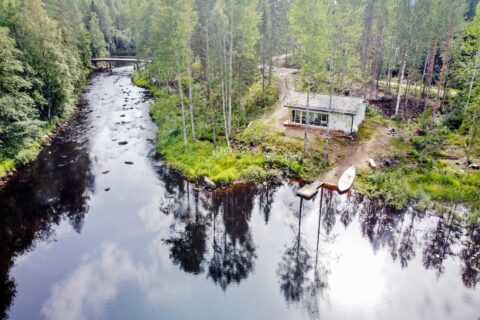

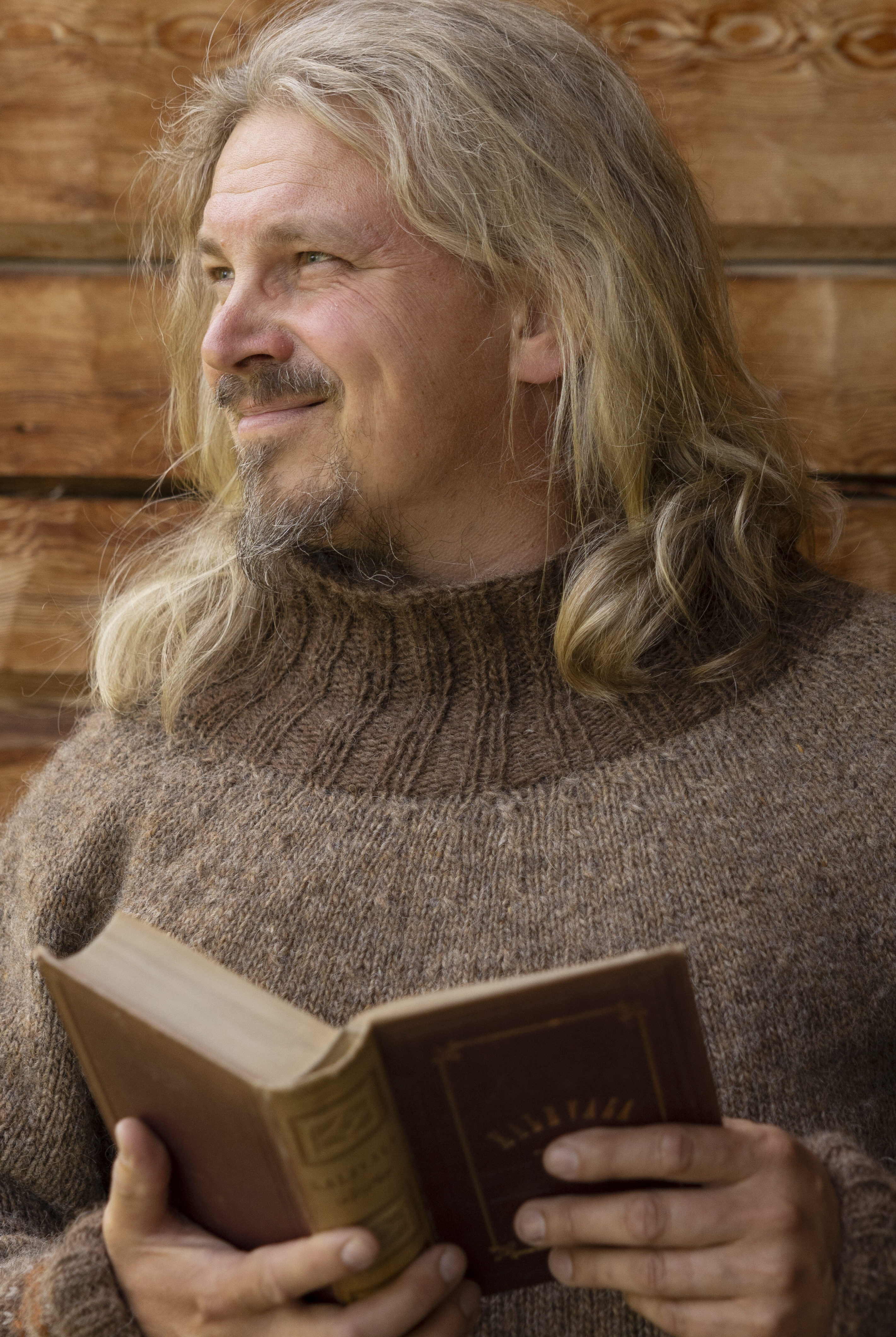
Rune singing is a cornerstone of the Baltic-Finn culture. In Finland, the old singing tradition and the associated way of life have been best preserved in the border region of Kainuu and White Karelia (Vienan-Karjala), for example in Kuhmo and Suomussalmi, where Western influences have been less pronounced than elsewhere in Finland. Almost two hundred years ago, Elias Lönnrot traveled through these areas collecting songs and poems, which he later used as material when collecting the stories for the Kalevala. The rune singing tradition is studied in particular by the Runosong Academy, which is based in Kuhmo, and by the Folk Music Festival Sommelo, which brings archaic singing traditions to life.
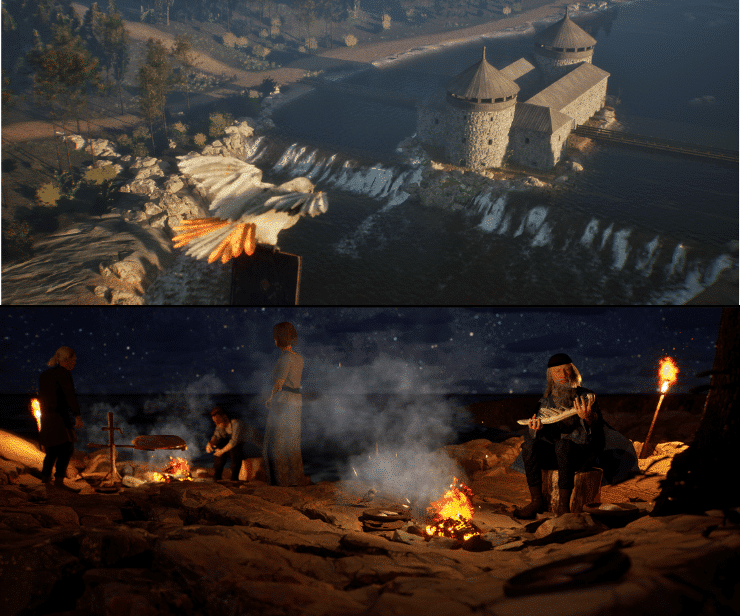
Tale Smiths -video game
Do you want to immerse yourself in the world of Kalevala in the form of a video game? Tale Smiths is a narrative-driven adventure game that blends in immersive storytelling with literary tourism. The game features authentic heritage, cultural storytelling and immersive technology. The game includes traditions, music, folklore and poetry of several Northern Europe countries including Finland, Sweden, Norway as well as Ireland and the Faroe Islands.
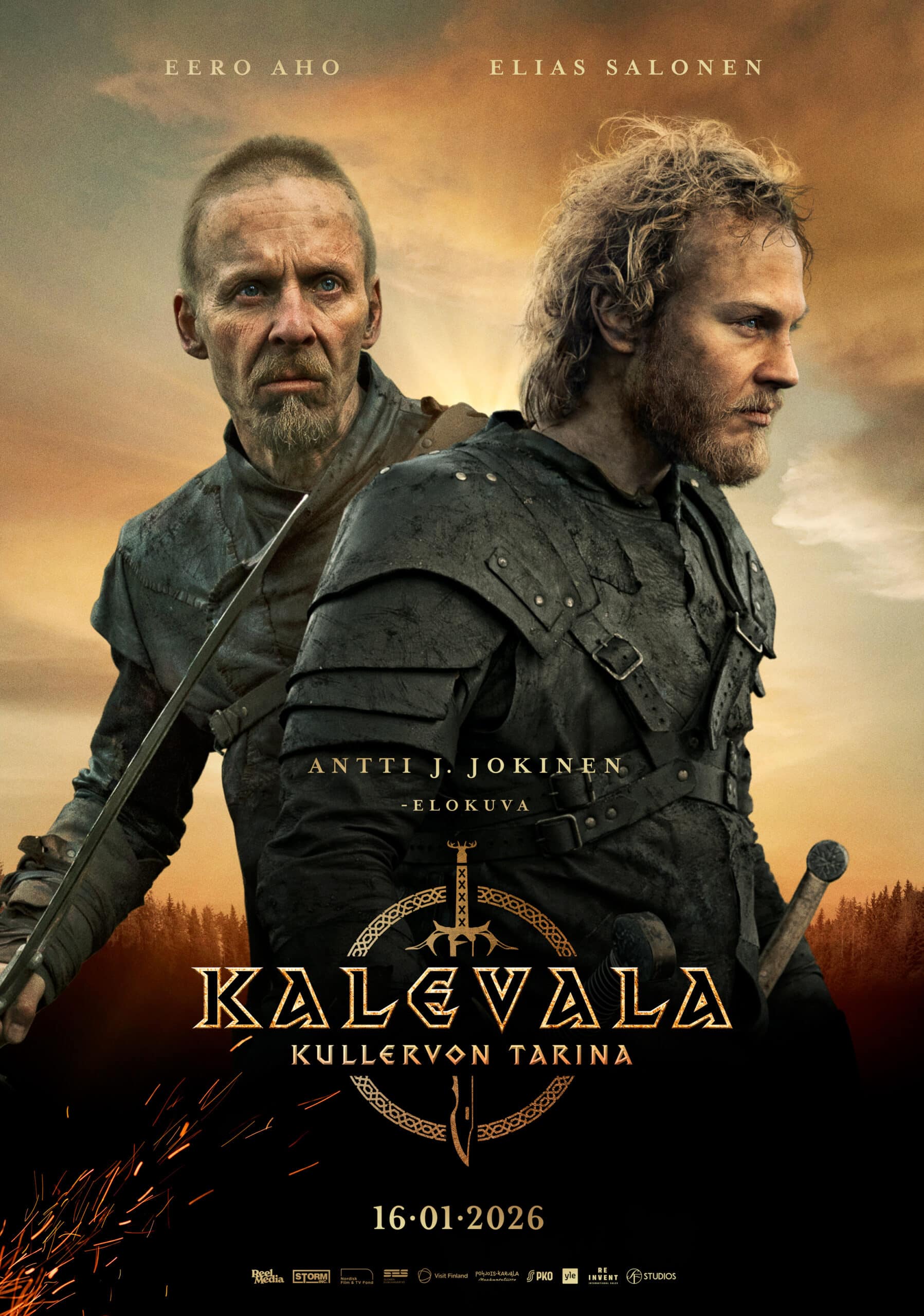
Kalevala: The Story of Kullervo movie
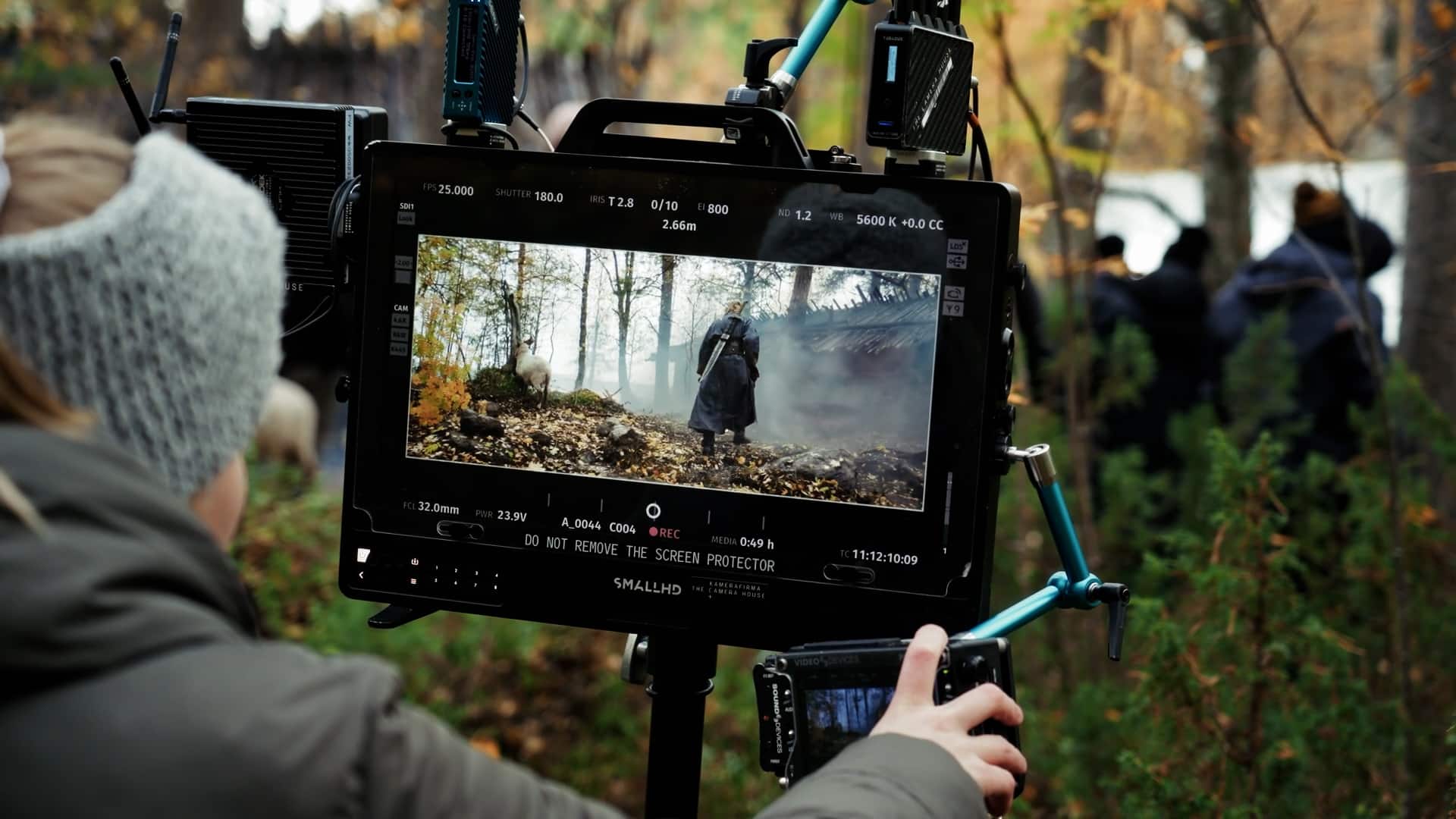
The Kalevala: The Story of Kullervo movie has been filmed locally in Nurmes, North Karelia as well as Kuhmo, Arctic Lakeland, Lakeland Finland. The movie is directed by Antti J. Jokinen and will premiere in 2026. The screenwriters for the movie are Jokinen and Jorma Tommila.
The film is based in the 12th century North Karelia and has been filmed in Bomba, Nurmes. The movie tells the tale of Kullervo, one of the well known characters of the Kalevala epic, following his adventures across finding his life’s purpose and the reason for his talents.
Some of the actors starring in the movie include Elias Salonen as Kullervo, Eero Aho as Untamo and Ilkka Koivu as Wäinö, Olli Rahkonen as Ilmarinen and Krista Kosonen as the wife of Ilmarinen.
Under the Northern Skies – movie
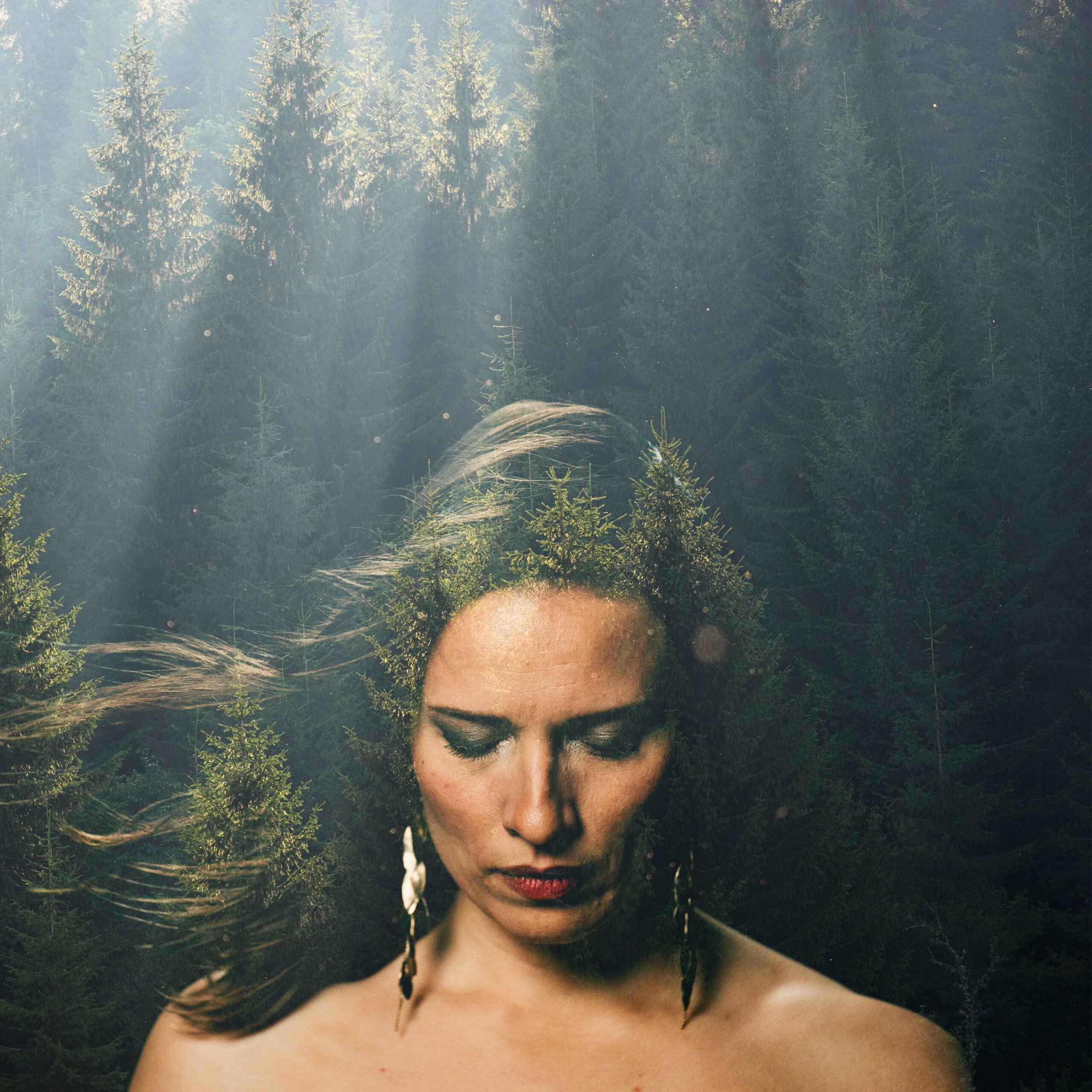
In autumn 2025, the 190th anniversary of the Kalevala comes to life on stage in Echoes of Kalevala—a spellbinding concert experience that fuses ancient Finnish poetry traditions with the vibrant energy of contemporary pop.
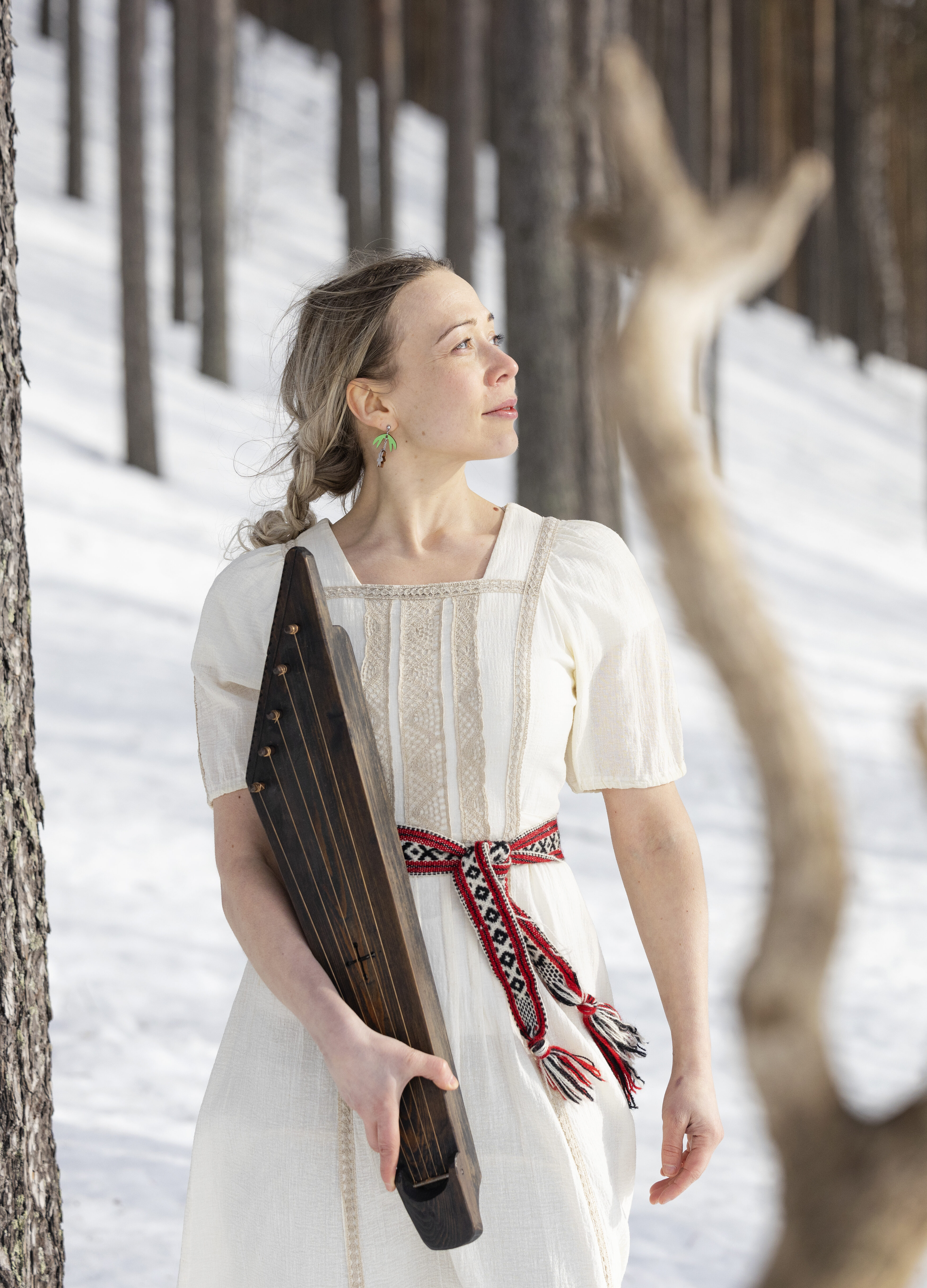
Created and performed by award-winning kantele artist Ida Elina, the songs draw directly from Kalevala’s timeless verses, carrying audiences into a world where northern forests once echoed with archaic melodies and rivers whispered forgotten stories. The performance unfolds through a striking audiovisual narrative inspired by the internationally acclaimed short film Under the Northern Skies, winner of multiple awards around the globe (Tokyo Film & Screenplay Awards, New York Independent Cinema Awards, LA Film & Documentary Award, and more).